2025-10-17 by UDIAG
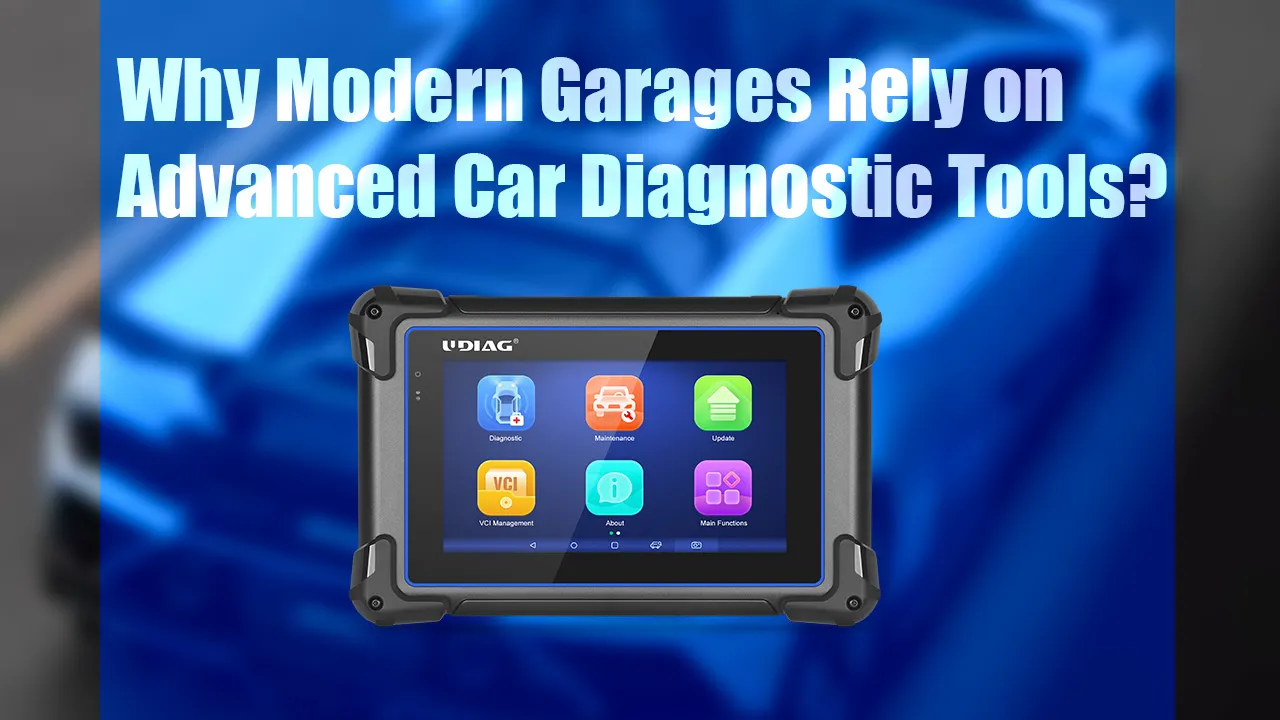
In today’s rapidly evolving automotive industry, accuracy and efficiency have become the backbone of every successful repair shop. Vehicles are now equipped with increasingly complex electronic systems, sensors, and ECUs (Electronic Control Units). To keep pace with this level of sophistication, modern garages rely heavily on advanced car diagnostic tools. These devices not only simplify fault detection but also ensure faster service turnaround and enhanced customer satisfaction.
The Evolution of Car Diagnostic Tools
In the past, mechanics depended on manual inspection and experience-based troubleshooting. However, with the rise of onboard computer systems, traditional methods became insufficient.
Modern car diagnostic tools have evolved into intelligent devices capable of communicating directly with a vehicle’s onboard systems. By reading and interpreting OBDII and manufacturer-specific codes, these tools can pinpoint issues in real-time — from simple sensor failures to complex electronic malfunctions.
This evolution has revolutionized vehicle maintenance, turning guesswork into data-driven precision.
The Importance of Car Diagnostic Tools in Modern Garages
Car diagnostic tools are essential devices that read and analyze data from a vehicle’s onboard computer system. As vehicles become more technologically complex, these tools enable garages to access real-time information about engine performance, emission levels, sensor conditions, and electronic system faults. This capability is crucial for diagnosing problems that would otherwise be difficult or impossible to detect manually.
How Advanced Car Diagnostic Tools Improve Repair Accuracy
An advanced car diagnostic tool empowers technicians to identify issues faster and with greater accuracy. These tools allow access to real-time data streams, freeze-frame analysis, and system-specific functions like ABS, SRS, transmission, and engine diagnostics.
Modern devices often integrate wireless connectivity, touchscreen interfaces, and cloud-based updates, giving garages the advantage of up-to-date diagnostics for the latest vehicle models. By reducing diagnosis time, shops can handle more jobs per day — significantly improving overall profitability.
Essential Features of a Professional Car Diagnostic Tool
When evaluating a diagnostic tool for your garage, several core features define professional-grade equipment:
-
Full-System Coverage – Capable of scanning all major vehicle systems including engine, transmission, ABS, airbag, TPMS, and more.
-
Bi-directional Control (Active Tests) – Allows technicians to command components (like actuators, valves, or relays) to verify functionality.
-
ECU Coding and Adaptation – Essential for advanced maintenance tasks and module replacements.
-
Live Data & Graphing – Enables real-time visualization of system parameters for accurate performance analysis.
-
Software Update Support – Keeps the tool compatible with the newest vehicle models and systems.
A diagnostic tool with these capabilities not only simplifies the workflow but also strengthens the professional image of any garage.
The Role of Car Diagnostic Tools in Preventive Maintenance
Beyond repair, advanced car diagnostic tools play a vital role in preventive maintenance. By constantly monitoring vehicle health parameters, these tools can alert technicians to potential future failures. This proactive approach helps garages offer value-added services that extend vehicle lifespan and reduce breakdown risks, solidifying their role as trusted automotive service providers.
Choosing the Right Car Diagnostic Tool for Your Garage
Selecting the appropriate car diagnostic tool depends on the range of vehicles serviced, brand compatibility, and specific diagnostic features required. High-quality tools offer extensive vehicle coverage, frequent software updates, and user-friendly interfaces—all factors that contribute to enhanced productivity and reliability in a professional setting.
Conclusion
In an era of advanced vehicle technology, modern garages depend on precision, speed, and data-driven insights. A professional car diagnostic tool bridges the gap between traditional repair methods and modern automotive electronics — ensuring accurate diagnosis, efficient workflow, and long-term customer satisfaction.
For any workshop aiming to stay ahead, investing in reliable diagnostic technology is not just a wise decision — it’s a strategic necessity.
FAQs
Q: What is a car diagnostic tool used for?
A: A car diagnostic tool is used to read and interpret data from a vehicle’s onboard computer to identify faults, monitor performance, and assist technicians in repairs and maintenance.
Q: How often should a car diagnostic tool be updated?
A: Regular software updates are essential, typically provided by the tool manufacturer, to maintain compatibility with new car models and ensure accurate diagnostics.
Q: Can car diagnostic tools detect all types of vehicle problems?
A: While advanced tools detect most electronic and sensor-related issues, some mechanical problems may still require traditional inspection methods.
Q: Are car diagnostic tools easy to use for technicians?
A: Modern car diagnostic tools are designed with intuitive interfaces, detailed instructions, and often come with training resources to ensure ease of use.
Q: How do car diagnostic tools enhance customer satisfaction?