Introduction
Windshield replacement is no longer just a glass repair procedure. As modern vehicles become equipped with advanced driver assistance systems (ADAS), the windshield has become an important part of vehicle safety technology.
Many ADAS features rely on cameras mounted behind the windshield to monitor lane markings, detect vehicles, recognize traffic signs, and support automated driving functions. When the windshield is replaced, even a small change in camera position, mounting angle, or optical alignment can affect system accuracy.
This is why windshield replacement calibration has become an essential step for many ADAS-equipped vehicles after glass replacement.
For a complete overview of ADAS calibration principles, processes, and technologies, read our guide:
[Complete Guide to ADAS Calibration]

Quick Answer: Does Windshield Replacement Require ADAS Calibration?
Not every windshield replacement requires calibration, but vehicles equipped with forward-facing ADAS cameras often need ADAS calibration after windshield replacement.
The calibration process ensures that cameras and sensors are correctly aligned according to manufacturer specifications, allowing safety features such as lane keeping assist, adaptive cruise control, and automatic emergency braking to operate accurately.
Why Does Windshield Replacement Affect ADAS Camera Accuracy?
Modern ADAS cameras are typically installed behind the windshield near the rearview mirror. These cameras continuously analyze road conditions and provide information to multiple vehicle systems.
Although the replacement glass may look identical to the original windshield, small differences in thickness, curvature, installation position, or optical quality can influence how the camera interprets visual information.
For example, if the camera angle changes slightly after windshield replacement, the system may incorrectly detect lane markings or calculate distances inaccurately. These small deviations can reduce the reliability of ADAS functions.
Unlike traditional vehicle repairs, windshield replacement involving ADAS requires both mechanical installation and electronic verification.

Which ADAS Features Can Be Affected After Windshield Replacement?
Many safety systems depend on accurate camera information. When the forward-facing camera becomes misaligned, multiple ADAS functions may experience reduced accuracy.
| ADAS Feature | Possible Impact Without Calibration |
|---|---|
| Lane Departure Warning | Incorrect lane detection |
| Lane Keeping Assist | Improper steering assistance |
| Automatic Emergency Braking | Delayed or inaccurate object recognition |
| Adaptive Cruise Control | Incorrect distance calculation |
| Traffic Sign Recognition | Incorrect sign identification |
For this reason, a vehicle may appear to drive normally after windshield replacement while some driver assistance features are operating outside their intended accuracy range.
Understanding these issues is also important when diagnosing ADAS warning messages. Learn more in our article:
[ADAS System Errors Explained]
When Is ADAS Calibration Required After Windshield Replacement?
The need for calibration depends on the vehicle model, camera system design, and replacement procedure. However, several situations commonly require ADAS recalibration after glass replacement.
If the forward-facing camera is removed, repositioned, or disconnected during windshield replacement, calibration is typically required. The same applies when the vehicle displays ADAS-related warning messages after the repair.
Aftermarket windshields can also affect calibration accuracy. Differences in glass quality, curvature, or optical characteristics may influence camera performance, especially on vehicles with advanced camera-based safety systems.
In addition, some manufacturers specify calibration procedures after windshield replacement as part of their repair guidelines.
What Happens If You Skip ADAS Calibration After Windshield Replacement?
Driving without proper calibration does not always create immediate visible problems. However, inaccurate camera alignment can affect how ADAS systems recognize road conditions and respond to potential hazards.
A misaligned camera may cause issues such as:
- Incorrect lane recognition
- Delayed safety warnings
- Incorrect distance estimation
- Reduced effectiveness of automatic emergency braking
ADAS features are designed to support drivers in critical situations. Their performance depends on accurate sensor data, which makes proper calibration an important part of vehicle safety after windshield replacement.

How Is ADAS Calibration Performed After Windshield Replacement?
The ADAS calibration process after windshield replacement usually involves several steps to verify and restore camera accuracy.
First, technicians perform a vehicle inspection and diagnostic scan to identify the ADAS system configuration and check for existing faults. The vehicle is then prepared according to manufacturer requirements, which may include correct tire pressure, steering angle positioning, and specific working conditions.
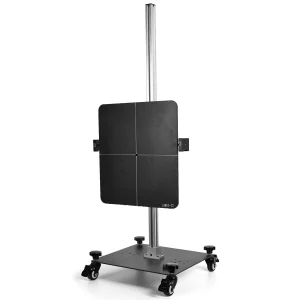
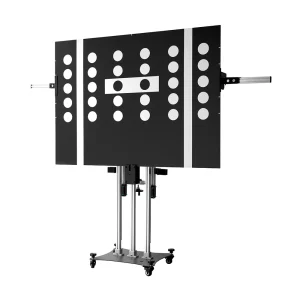
Depending on the vehicle, technicians may perform static calibration using dedicated targets or dynamic calibration through a controlled driving procedure.
Modern ADAS calibration system combines diagnostic communication, target positioning, and verification functions to help technicians complete the process more efficiently.
UDIAG ADAS solutions are designed to support professional diagnostic workflows by combining vehicle communication capabilities with advanced calibration procedures for modern vehicles.

Static vs Dynamic ADAS Calibration After Windshield Replacement
Different vehicles require different calibration methods depending on manufacturer specifications.
| Calibration Type | Description |
|---|---|
| Static Calibration | Uses calibration targets in a controlled workshop environment |
| Dynamic Calibration | Requires driving the vehicle under specific conditions so the system can relearn camera parameters |
Some vehicles require only dynamic calibration, while others need static calibration with precise target placement. Certain models may require both procedures.
Choosing the correct calibration method is essential because incorrect procedures can result in inaccurate ADAS performance.
Why Workshops Need Proper ADAS Calibration Equipment
As more vehicles adopt camera-based safety technologies, windshield replacement services are becoming increasingly connected with automotive diagnostics.
Glass replacement businesses and repair workshops need more than traditional installation skills. They also require diagnostic capabilities to verify ADAS operation after repairs.
Professional ADAS calibration equipment helps workshops:
- Identify calibration requirements
- Communicate with vehicle systems
- Perform accurate calibration procedures
- Verify system performance after repair
By integrating diagnostics and calibration into their workflow, workshops can improve repair quality, reduce comebacks, and provide safer vehicle service.
Conclusion
Windshield replacement is no longer only a mechanical repair task. For vehicles equipped with ADAS technology, accurate camera alignment is essential to maintaining safety system performance.
Windshield replacement calibration helps ensure that cameras and driver assistance systems continue operating according to manufacturer specifications.
As vehicles become more intelligent, proper ADAS calibration will continue to play a critical role in modern automotive repair and safety.