2025-08-20 by UDIAG
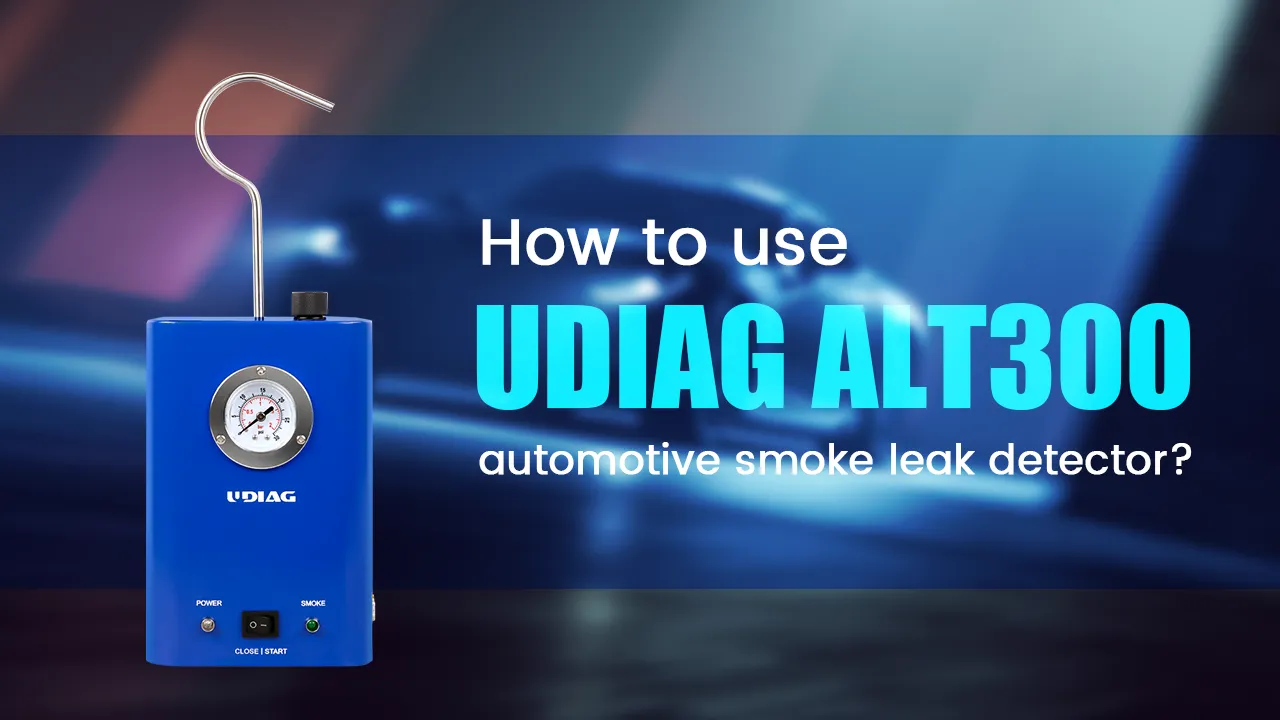
Introduction:
Why Use a Smoke Leak Detector?
When your car experiences difficulties in starting, abnormal exhaust emissions, insufficient power, increased fuel consumption or unstable operation, this might be caused by problems with the intake system. If you have ever attempted to repair your car yourself, manually searching for intake leaks, you will find that this process is very cumbersome and time-consuming. The invention of the smoke leak detector is precisely designed to solve this problem, allowing you to easily and quickly identify and resolve issues with the intake system.
Key Features of the UDIAG ALT300 Smoke Leak Detector
The ALT300 auto smoke tester comes with several practical design features:
- Detachable Hook: This tool is equipped with a detachable small hook on its top. After installation, you can hang the machine on the car hood.
- Long Main Hose: The packaging of the product also includes a very long main hose, which can be screwed onto the smoke duct of the leak detector. This ensures there is sufficient length for the subsequent work.
- DC Power Input with Alligator Clips: Next to the exhaust outlet is the direct current power input port. Use the set of vise grips provided with the product to facilitate your connection to your battery.
- Tapered Adapters: It is equipped with various cone-shaped plugs, which are convenient for use when blocking other hoses.
Preparing the Device for Testing
Before running a test, you’ll need to fill the device with testing oil:
- Unscrew the top knob and add oil.
- Check the oil level through the side viewing window to avoid overfilling or underfilling.
- Connect the alligator clips to the positive and negative terminals of your vehicle’s battery.
When powered, the red light indicates the machine is off. To confirm pressure buildup, place your finger on the hose end—you should feel increased pressure.
Running the Smoke Test
- Flip the power switch to the right. The green light will turn on.
- Wait about 5 seconds—smoke will begin to flow from the hose outlet.
- Open the section of the car’s intake system you want to test.
- Insert the correct tapered adapter into the intake pipe.
- Seal the other openings of the system.
- Allow smoke to fill the system and observe carefully. Any point where smoke escapes is the location of the leak.
The above are the general usage steps of this smoke leak detector. If you want to know more, you can watch this video.
Applications Beyond Cars
The UDIAG ALT300 smoke leak detector isn’t limited to passenger vehicles. It can also be used on motorcycles, trucks, boats, tractors, or any engine with an intake system. For workshops handling multiple types of engines, this versatility makes it an essential diagnostic tool.
Conclusion
The UDIAG ALT300 automotive smoke leak detector is a practical and efficient solution for diagnosing vacuum and intake leaks. Instead of spending hours searching manually, this tool helps you identify even the smallest leaks within minutes. Its user-friendly design, reliable smoke output, and wide application across different engines make it an essential piece of equipment for both professional workshops and DIY car enthusiasts.
If you want to save time, reduce guesswork, and improve the accuracy of your vehicle diagnostics, investing in a smoke leak detector like the ALT300 smoke leak tester is a smart choice.
FAQs
Q: Do you Smoke Check With the Engine On or Off?
A: Always perform the smoke test with the engine off. Running the engine can create pressure changes and affect results.
Q: Does a Smoke Machine Need Water?
A: No. The UDIAG ALT300 uses smoke oil, not water, to generate smoke.
Q: What is the Easiest Way to Find an EVAP Leak?
A: Connect the smoke machine to the EVAP system, seal off other outlets, and look for escaping smoke. This is faster and more accurate than traditional methods.
Q: How Much Does an Automotive Smoke Test Cost?
A: At a repair shop, a smoke test can cost between $50–$150. Owning your own machine allows unlimited use and saves money in the long run.
Q: Is Smoke Supposed to Come Out the Back of My Car?