2025-09-09 by UDIAG
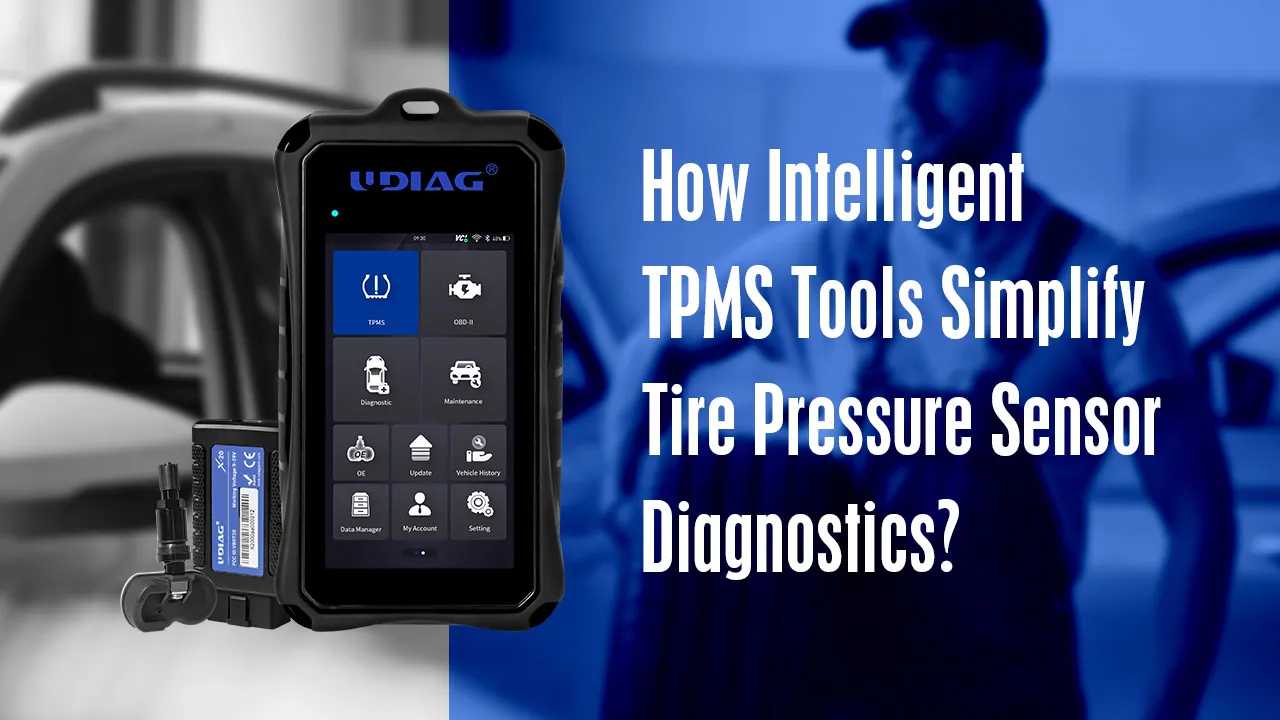
Tire Pressure Monitoring Systems (TPMS) have become a standard feature in modern vehicles, ensuring driver safety, fuel efficiency, and reduced tire wear. However, diagnosing and maintaining TPMS sensors can be complex, especially when dealing with different vehicle models and protocols. This is where an advanced TPMS tool like the X-20 comes into play. With integrated wireless diagnostics, multi-protocol support, and powerful service functions, it streamlines the entire process of TPMS sensor diagnostics and vehicle system analysis.
What is a TPMS Tool and Why Does It Matter?
A TPMS tool is a professional diagnostic device primarily used to read, activate, program, and test a vehicle’s tire pressure sensors. Traditional TPMS scanners often have limited coverage or require additional equipment. The UDIAG X-20 Intelligent TPMS Scanner innovatively combines TPMS-specific features with ten core automotive diagnostic functions, significantly improving work efficiency and becoming an ideal solution for repair shops and technicians to achieve intelligent, integrated maintenance.
Advanced Protocol Support for Modern Vehicles
Modern vehicles are increasingly adopting new communication standards such as CAN FD and DoIP. Without the ability to handle these protocols, older diagnostic tools struggle to keep up. The X-20 TPMS tool is fully compatible with both, allowing technicians to access vehicle data faster, more reliably, and with wider coverage. This ensures that even the latest vehicles with advanced electronic systems can be diagnosed without compatibility issues.
Wireless Diagnostic Function
Unlike traditional TPMS scanners that focus solely on tire pressure sensors, the X-20 provides wireless diagnostics for all available vehicle system modules. From the engine and transmission to the ABS and airbag systems, technicians can perform a comprehensive health check without switching tools. This integration eliminates the need for multiple devices, reducing downtime and improving workflow efficiency in busy repair environments.
10 Service Functions to Enhance Productivity
In addition to TPMS diagnostics, the X-20 is equipped with 10 practical service functions that go beyond basic tire pressure monitoring. These functions include reset procedures, sensor reprogramming, system adaptations, and calibration tasks, all of which are essential for daily automotive maintenance. By consolidating these features into a single device, workshops save time and reduce costs, while providing customers with faster and more reliable service.
How Intelligent TPMS Tools Improve Efficiency
An intelligent TPMS tool like the X-20 does more than just read sensor data. It:
-
Simplifies sensor diagnostics by automatically detecting faults and guiding technicians through repair steps.
-
Reduces diagnostic time with wireless connectivity and fast communication protocols.
-
Increases accuracy by providing OE-level data for tire pressure systems.
-
Enhances workflow by combining TPMS services with full-system diagnostics in one device.
This all-in-one approach transforms vehicle maintenance, allowing workshops to handle more jobs with higher accuracy and less effort.
Conclusion
The future of vehicle diagnostics lies in intelligent, integrated solutions. The X-20 TPMS tool demonstrates how advanced technology can simplify complex processes, improve diagnostic efficiency, and provide unmatched convenience for automotive professionals. For workshops looking to stay competitive, investing in a next-generation TPMS tool is no longer optional—it’s essential.
FAQs
Q: What is the main function of a TPMS tool?
A: The TPMS tool is used to diagnose, program, and service tire pressure monitoring systems, ensuring that tire sensors are functioning correctly and accurately reporting data.
Q: Can a TPMS tool diagnose other vehicle systems?
A: Yes, advanced TPMS tools like the X-20 go beyond tire sensors and provide wireless full-system diagnostics, covering modules such as the engine, ABS, transmission, and more.
Q: Why is protocol support like CAN FD and DoIP important in a TPMS tool?
A: These new communication protocols are widely used in modern vehicles. Without support for CAN FD and DoIP, diagnostic tools cannot effectively communicate with the latest vehicle systems.
Q: How does an intelligent TPMS tool improve workshop efficiency?